
LIsa Black
Cape Coral, FL
Female, 49


I spent the five happiest years of my life in a morgue. As a forensic scientist in the Cleveland coroner’s office I analyzed gunshot residue on hands and clothing, hairs, fibers, paint, glass, DNA, blood and many other forms of trace evidence, as well as crime scenes. Now I'm a certified latent print examiner and CSI for a police department in Florida. I also write a series of forensic suspense novels, turning the day job into fiction. My books have been translated into six languages.
I am an expert in some areas of forensic science. I am not an expert in law, public safety policy or our political system.
Share Answer: 

That's quite possible, the body reacts with the fetal position to many circumstances. I responded to a fatal traffic accident--it actually happened right in front of me--and the victim was thrown from the truck, and that's exactly how I found her. However, bodies and causes of death are really questions for a pathologist.
Share Answer: 
At my agency we’d be calling either Dispatch or, less likely, another person, in which case we’d use their badge number. What people call their dispatch unit, base, station, (we call them the name of the city, the first word in ‘such and such police department) probably depends on the habits of that particular agency. In other words there is no difference. Hope that helps!
Share Answer: 
They would put themselves at risk of contracting kuru, which is similar to Creutzfeldt-Jacob disease.
Share Answer: 
Inner City English Teacher
 How prevalent are teen pregnancies in your school?
Sushi Chef
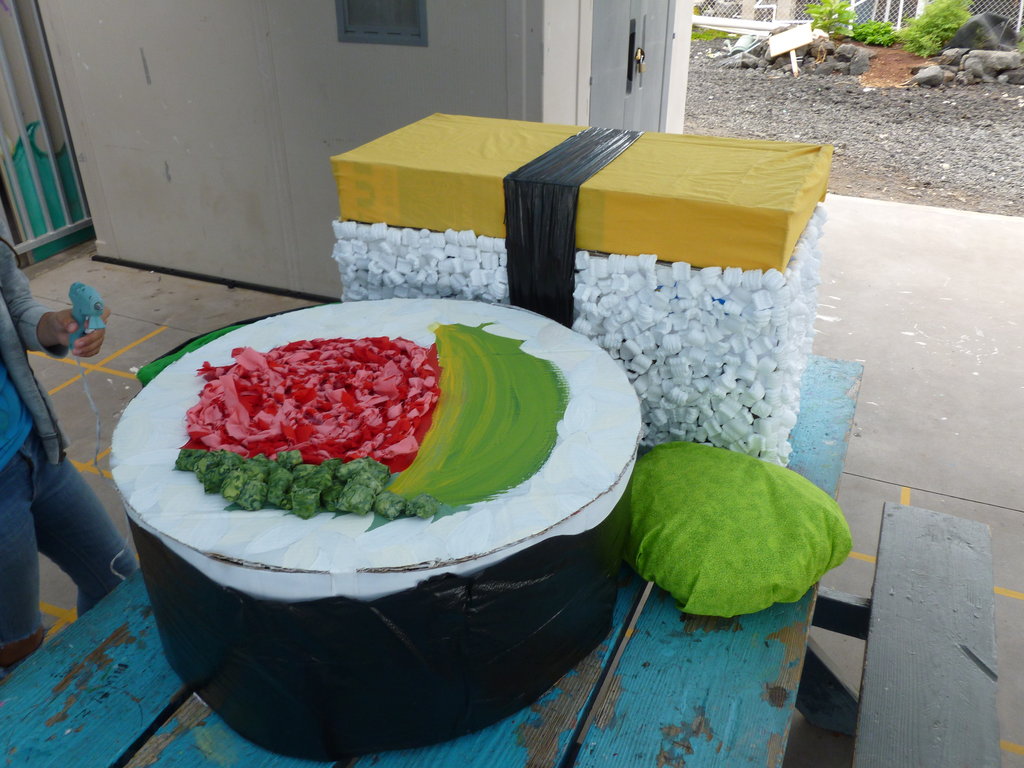 How do sushi chefs tell when a fish has gone bad? Is it just the smell?
HR Executive
 What's the worst reaction you ever witnessed during a lay-off?
Take as many science courses as you can. Much depends on where you want to work and what you want to do. If you want to do DNA analysis and testify in court about it, you may need a PhD in genetics. If you want to work at crime scenes bagging and tagging evidence, you may need only a high school diploma, with added hireability for advanced degrees. The only way to know is to check job opening notices or call the agencies and ask. I would also suggest that you look for schools that have hands-on lab work with forensic topics such as fingerprints or crime scene work. Best of luck to you.
Share Answer: 
If the father caused the death of the son, then it's homicide. If he didn't know the son was there, it's accident (or maybe manslaughter, I don't know the precise legalities).
Share Answer: 
At my agency we send all DNA testing to the state lab. We can give them the scenario of our crime and ask them to rush testing, but how they decide to handle their casework is entirely up to them.
Share Answer: 
-OR-
 Login with Facebook
 (max 20 characters - letters, numbers, and underscores only. Note that your username is private, and you have the option to choose an alias when asking questions or hosting a Q&A.)
(A valid e-mail address is required. Your e-mail will not be shared with anyone.)
(min 5 characters)
By checking this box, you acknowledge that you have read and agree to Jobstr.com’s Terms and Privacy Policy.
-OR-
Register with Facebook(Don't worry: you'll be able to choose an alias when asking questions or hosting a Q&A.)



 Browse Jobs
 Host a Q&A
 Search

 Submit Your Question
 Host a Q&A
 Last 7

